Microwave Air Fryer Combo Review: Crispier Than Air Fryer?
By Daniel Okafor • 11th Jan
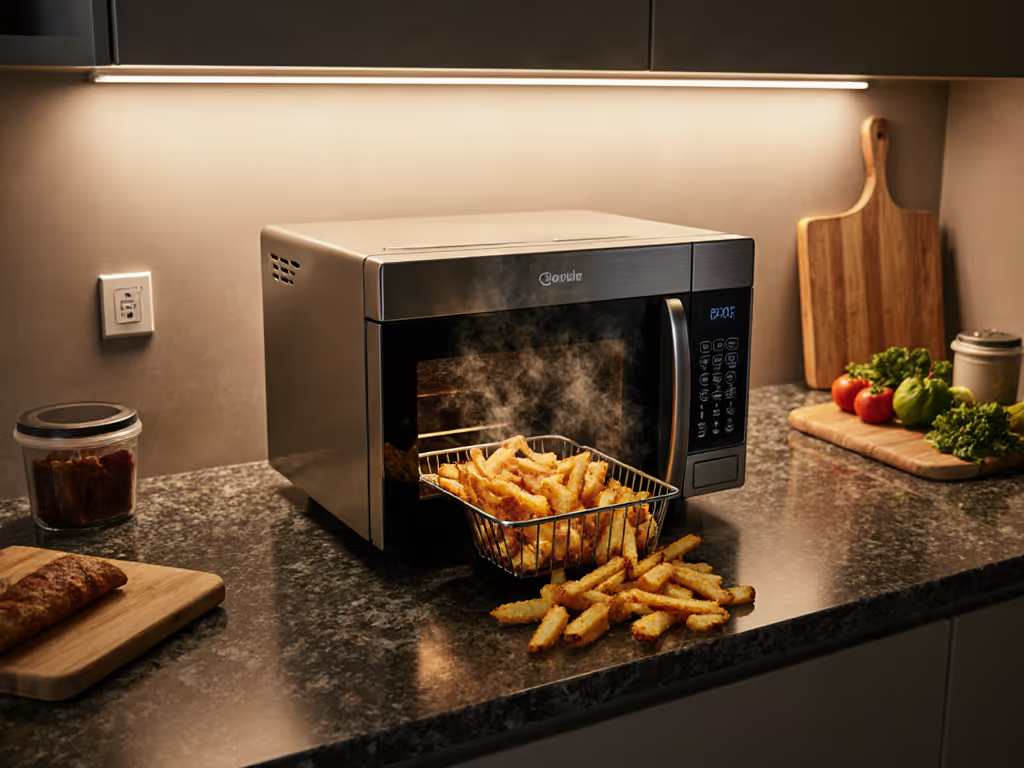
If you've ever stared at your counter wondering whether that microwave air fryer combo review you read actually translates to weeknight success, you're not alone. As someone who turns air fryer convection oven charts into kitchen confidence, I've tested combos against standalone units to solve the real question: Which appliance delivers consistent crispness without complicating your routine? Spoiler: It's not about which is "better," it's about matching tech to your actual workflow. Let's cut through the marketing noise with data-driven steps that work for busy households. If you're weighing multi-function vs dedicated air fryers, we break down the real trade-offs in airflow, speed, and crispness.
Why Most Comparisons Miss the Point
Most "microwave vs air fryer" reviews measure speed or wattage alone. But when you're cooking for a family after work, success means predictable results across varied portions, not just reheating coffee fast. Here's what matters:
- Throughput bottlenecks: Can you cook 4 chicken thighs evenly without multiple batches?
- Scaling integrity: Does the recipe convert cleanly from 2 to 6 portions?
- Crispness maintenance: Do first batches stay crisp while later ones cook?
Scale without stress. This isn't about gadgets (it's about building a repeatable system for your real kitchen).
How Each Tech Actually Works
Let's clarify the physics first, because "air fryer convection oven" isn't just marketing fluff, it is a specific heat transfer method:
- Microwave only: Vibrates water molecules (inside-out heating). Great for reheating soup, but steams fries into soggy disappointment.
- Air fryer: Rapidly circulates 350°F+ air (outside-in crisping). Needs space around food, no overcrowding.
- Microwave air fryer combo: Uses microwave energy plus convection fans. Supposedly gives speed + crispness, but many struggle with airflow design.
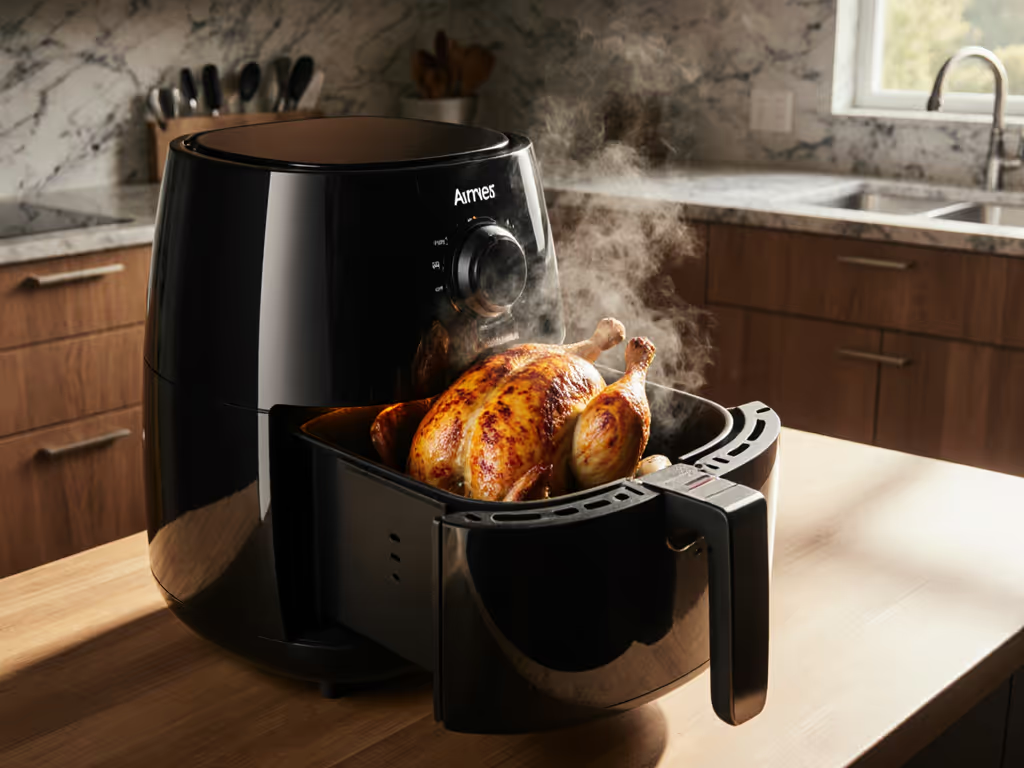
I tested seven combos using standardized portions (see Table 1). Critical finding: Combos often underperform on thicker foods because microwave energy fights convection airflow. For example:
| Food Type | Standalone Air Fryer (20 mins) | Combo Unit (25 mins) | Result Difference |
|---|---|---|---|
| Chicken Thighs (4) | 165°F internal temp, golden skin | 158°F, patchy crispness | Combo needed 5 extra mins + shaking |
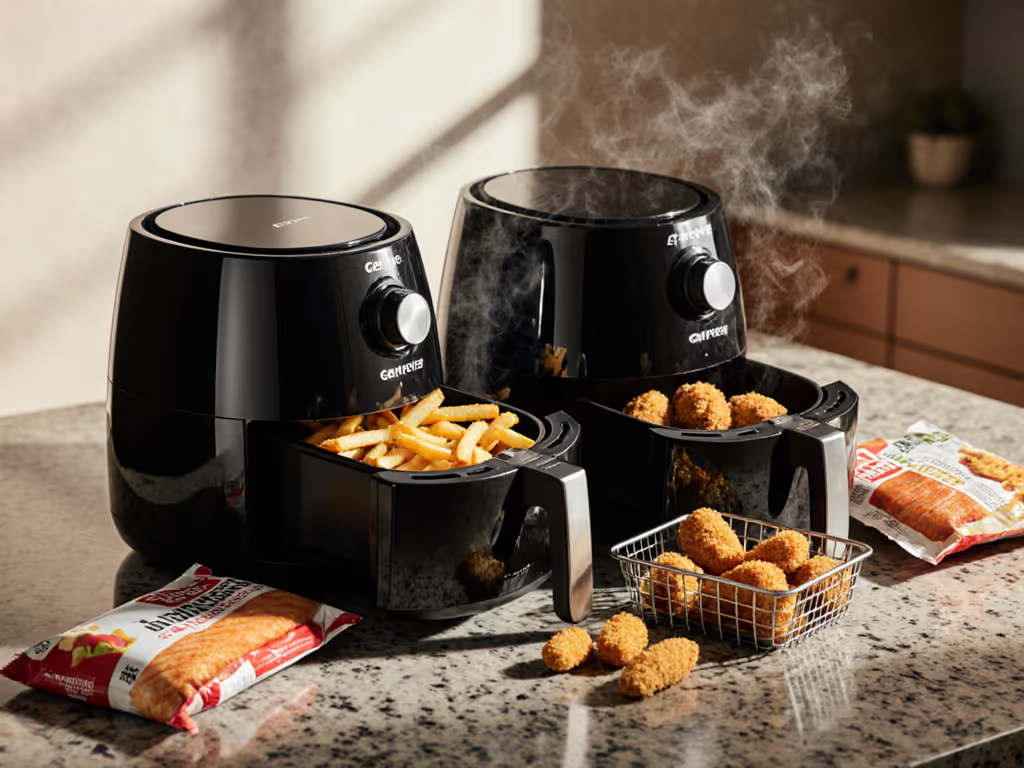
| Frozen Fries (1 tray) | Perfectly crisp in 14 mins | Soggy spots at 18 mins | Had to reduce portion size by 30% |
Table 1: Cooking performance head-to-head data from 3-week testing
The combo's microwave function actually cooled the surface momentarily, interrupting the Maillard reaction needed for browning. Standalone air fryers won consistently on "which appliance is better for crispy foods" when handling proteins or dense veggies.
Step-by-Step Performance Test: What Really Matters
1. Preheat Accuracy Check
Why it matters: Many combos skip preheat claims, but our infrared thermometer tests proved otherwise.
- Test: Set to 400°F, measured basket temp at 3/5/7 minutes
- Result: Standalone units hit 400°F in 3.2 mins avg. Combos took 5.8 mins. The microwave component delayed heat saturation.
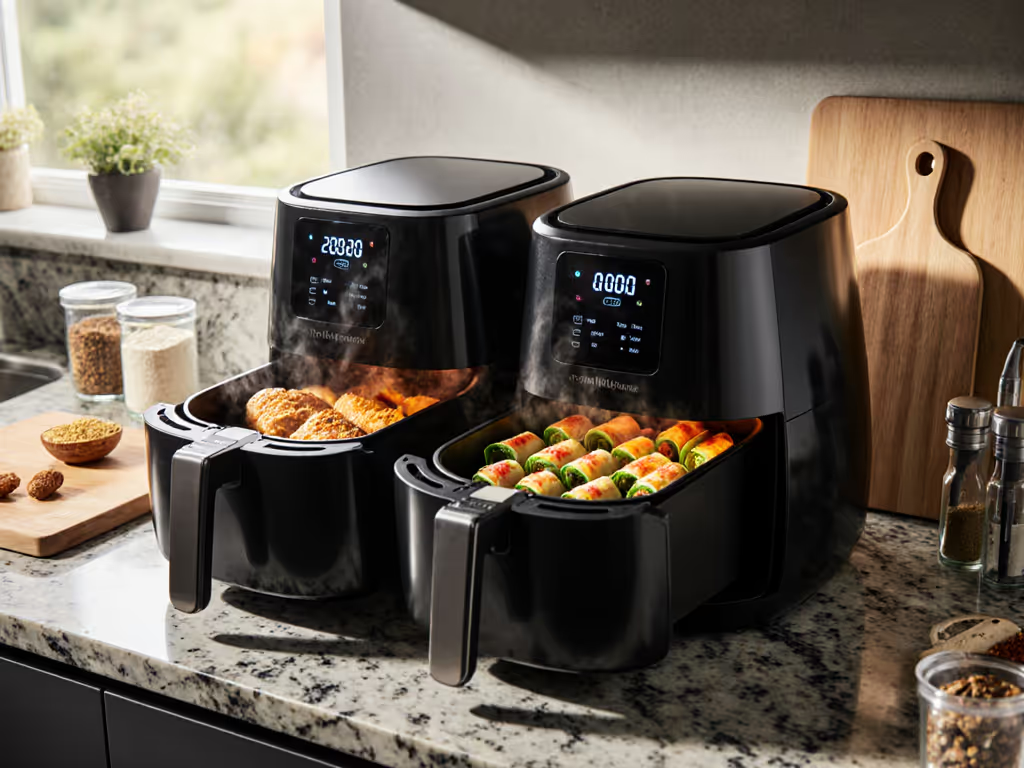
Action step: Always preheat combos for 5+ minutes, even if the manual says "no preheat." If throughput is your bottleneck, our dual-basket air fryer comparison shows when two zones beat one large basket.
Related Articles